Portuguese food and wine by region
Portuguese Food and Wine: What To Eat and Where, Region by Region
Portuguese food is regional in a way that surprises people. A dish that defines one coast is unknown ninety minutes inland. The country has fourteen wine regions and drinks most of what it makes at home, which is why so much of it is unfamiliar even to people who drink a lot of wine.
This is what to order where, from a team that eats here rather than researches here.
Lisbon and the Tagus
Order petiscos. Not tapas. Small plates, shared, eaten slowly, and the closest thing Portugal has to a national way of eating. Ameijoas a Bulhao Pato, clams with garlic and coriander. Peixinhos da horta, green beans in batter, which the Portuguese were doing before tempura existed. Pica-pau.
Eat bacalhau at least once. Salt cod, and the running joke is that there are 365 ways to cook it. Bacalhau a Bras, shredded with egg and potato, is the one to start with. Bacalhau com natas if you want the comfort version.
The pastel de nata, warm. Not from a supermarket. From a pastelaria, still warm, with cinnamon. The famous one is in Belem and the queue is real. Every neighbourhood has a good one with no queue.
Drink: a Lisboa or Bucelas white with the clams, a Douro red with anything roasted, and a green wine, vinho verde, when it is hot.
Cascais and the Estoril coast
This is fish country, and it is simpler than Lisbon.
Grilled whole fish. Robalo, dourada, sargo, salt-crusted and grilled, served with boiled potatoes and nothing clever done to it. Priced by weight, which is why the waiter brings the fish to the table before cooking it.
Arroz de marisco. Seafood rice, soupy rather than dry, and a whole meal. Santola, spider crab, dressed in its own shell.
Drink: Colares, grown in sand on the Sintra coast and one of the oldest demarcated regions in Europe. Phylloxera never reached the sand, so some of the vines are ungrafted. There is very little of it and it is worth finding.
Margem Sul and Setubal
Ten minutes across the water and the food changes again.
Choco frito in Setubal, fried cuttlefish, a local obsession. Fried fish at Costa da Caparica, eaten in a beach shack with your feet in the sand.
Drink: Moscatel de Setubal, a fortified sweet muscat from the Arrabida hills that most visitors have never heard of and which is genuinely one of the great fortified wines. The Margem Sul region page covers what else is over there.
The Alentejo
The interior, and the best regional cooking in the country if you ask a Portuguese person honestly.
Porco preto, black Iberian pork from acorn-fed pigs. Migas and acorda, bread-based dishes built when bread was the only thing there was, now better than they have any right to be. Sopa de cacao, dogfish soup, an acquired and rewarding taste. Queijo de Serpa, a sheep's cheese so soft you eat it with a spoon.
Drink: Alentejo reds, which are the wines most people mean when they say they like Portuguese wine. Warm, generous, and made from Aragonez, Trincadeira and Alicante Bouschet.
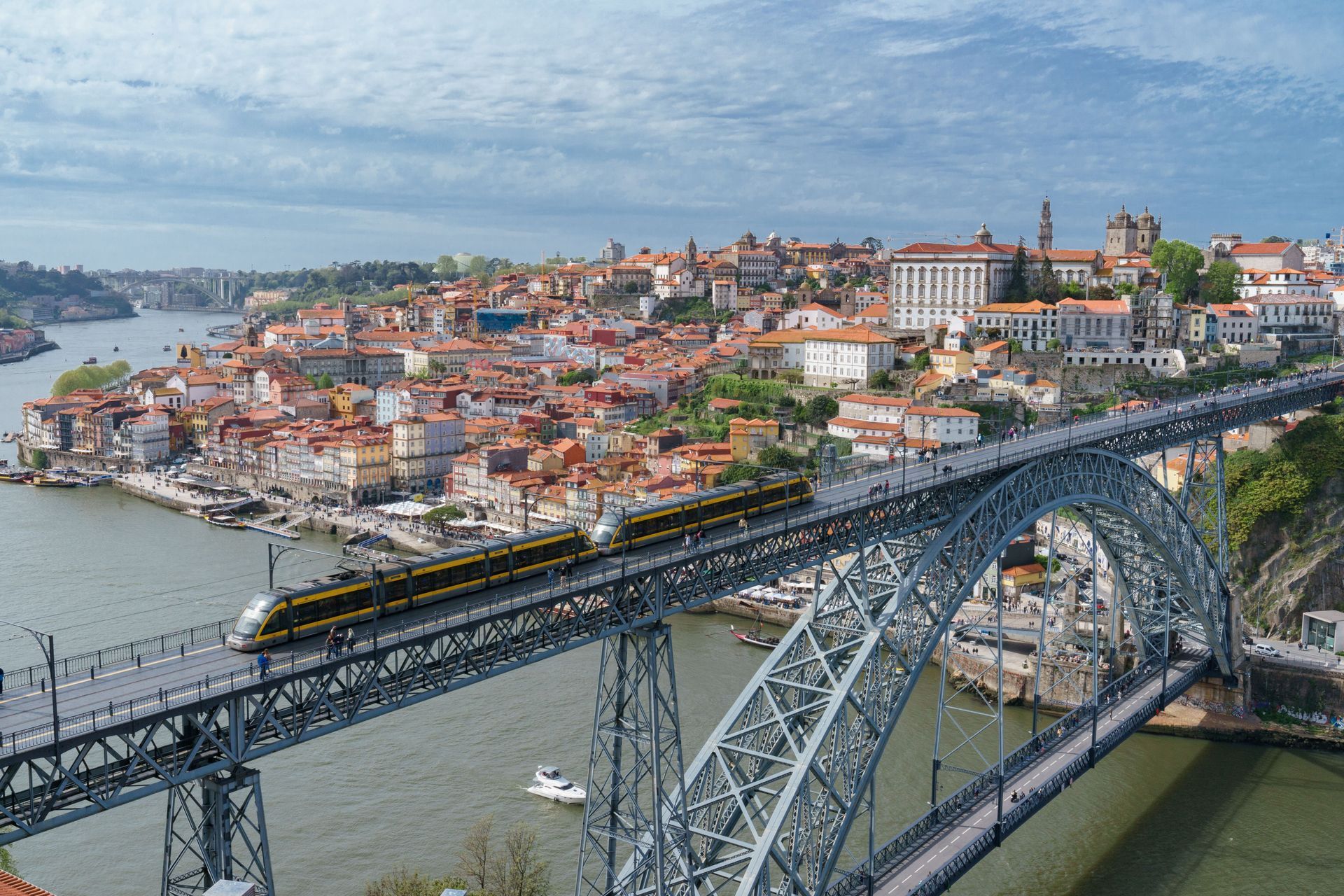
The Douro and the north
Francesinha in Porto, a sandwich under a beer-and-tomato sauce with an egg on it. Order it once. Tripas a moda do Porto, the dish that gave the city's people their nickname. Caldo verde, kale and potato soup with a slice of chourico. Bacalhau a Gomes de Sa in the north, layered with potato and olives.
Drink: Port, obviously, and drink a white port with tonic before dinner rather than a red one after it. Then drink Douro table wine, which is what the same vineyards make when they are not making port, and which is frequently better value than anything on the list.
Wine tourism: the Douro is the oldest demarcated wine region in the world and the quintas are set up for visitors. Terraced hillsides, river boats, and tastings that are far less formal than Bordeaux. Spring and autumn are the months. September is harvest and the best time to be there.
The Algarve
Cataplana, a copper clam-shaped pot that steams fish, clams and pork together. Sardinhas assadas in summer, grilled whole on bread. Percebes, goose barnacles, which look alarming and taste like concentrated sea. Dom Rodrigo, an egg-and-almond sweet from the Moorish tradition, wrapped in coloured foil.
Drink: Algarve wines have improved sharply and are still overlooked. The whites go with everything grilled. Details of what else to do down there are on the Algarve page.
Madeira
Espetada, beef on a bay-laurel skewer, hung at the table. Bolo do caco, a flat sweet-potato bread served with garlic butter, and the reason nobody leaves Madeira hungry. Lapas, limpets with garlic and lemon. Black scabbardfish with banana, which sounds wrong and is not.
Drink: Madeira wine, which survives heat and time in a way no other wine does. Sercial dry through to Malmsey sweet. A bottle opened can sit for months and improve.
When to eat
Lunch runs roughly one to three. Dinner starts at eight and a Portuguese restaurant at seven thirty is an empty Portuguese restaurant. The couvert, the bread and olives that arrive unasked, is charged for and you can decline it.
Booking a food and wine trip
The Douro in September for harvest. The Alentejo in spring, before the heat. The coast in summer, for the fish. Madeira any month at all.
Guests staying in our homes ask the local team where to eat before they ask anything else, which is usually the right order. What we send them is on things to do and the experiences page, and you can see the homes themselves in the portfolio.
FAQ
What is the national dish of Portugal?
What should I order if I only eat one Portuguese meal?
Is Portuguese wine good?
Which is the best wine region to visit?
Do I need to book restaurants in Portugal?
What is the couvert?
Somewhere to stay, chosen by people who live here
Handpicked homes across Lisbon, Cascais, Sintra, Margem Sul, the Algarve and Madeira, with a local team on the ground before, during and after every stay.
See the portfolioShare to social media
Leave a comment
More posts
Blog corner